
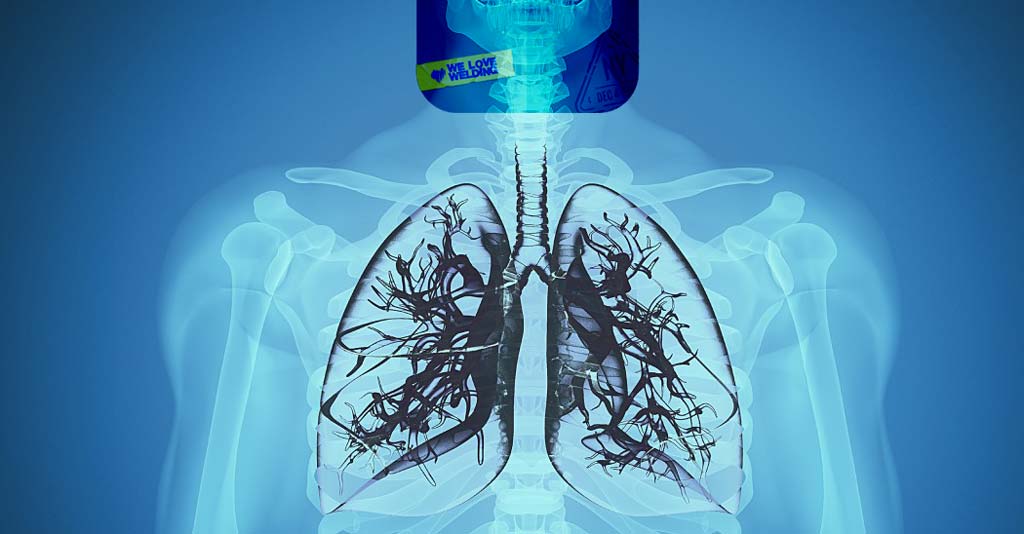
One of the Most Common Welder Diseases: Welder’s Lung
Welding is one of the most critical branches of the metalworking industry. However, it is also a profession that exposes workers to serious health risks. During welding, fumes, gases, and fine metallic particles are released, posing severe hazards to the respiratory system. One of the most frequently diagnosed occupational welder diseases among welders is known as Welder’s Lung.
What Is Welder’s Lung?
Welder’s Lung develops as a result of inhaling toxic fumes that contain metal oxides, chemical compounds, and harmful gases generated during welding. Fine metallic dust accumulates in the lung tissue, damaging both the lungs and airways. Over time, this can lead to inflammatory reactions, irreversible damage, and chronic respiratory diseases.
The symptoms of welding-related welder diseases often develop silently. While early stages may only show mild coughing and sputum, more advanced cases may include:
- Persistent cough
- Excessive mucus production
- Shortness of breath
- Chest tightness
- Wheezing
- Fever and fatigue
These symptoms are often misdiagnosed as flu, bronchitis, or asthma.
The Importance of Regular Health Check-Ups
Welders should undergo regular medical examinations even in the absence of symptoms. Experts recommend performing a chest X-ray every 6–12 months and conducting pulmonary function tests. This enables early detection and prevents disease progression.
If abnormalities are detected or if symptoms such as persistent cough, shortness of breath, or sputum occur, a pulmonologist should be consulted immediately. Once diagnosed, workers should be removed from welding fume exposure, and an appropriate treatment plan must be initiated.
Preventive Measures in the Workplace
The most effective way to prevent Welder’s Lung is to capture harmful fumes at the source before they spread into the workspace. Key methods include:
- Welding Fume Extraction Systems
- Use high-efficiency extraction units equipped with filtration technology compliant with international standards.
- H13-grade HEPA filters capture up to 99.9% of welding fumes, ensuring clean air for welders.
- Mobile and stationary fume extractors eliminate fumes directly at the source.
- Personal Protective Equipment (PPE)
- Welders should use properly filtered welding respirators and protective eyewear.
- Respiratory masks are especially critical in confined spaces.
- Workplace Ventilation
- Install strong mechanical ventilation systems in enclosed environments.
- Whenever possible, perform welding in open, well-ventilated areas.
- Employer Responsibilities
- Employers must strictly implement occupational safety regulations to protect workers’ health.
- Conduct regular risk assessments and monitor workers’ health status continuously.
What to Do If the Welder Disease Develops
If Welder’s Lung is diagnosed, the worker must be temporarily removed from exposure to welding fumes to prevent progression. Medical treatment should be followed closely, and workers should not return until workplace improvements are made.
Pandemic and Lung Health
The Covid-19 pandemic has once again demonstrated the critical importance of lung health. Welders, who are already exposed to welding fumes and often have reduced lung capacity, are considered a high-risk group for respiratory infections such as Covid-19. Therefore:
-
- Consistent use of protective masks,
- Effective workplace ventilation,
- Routine medical check-ups
must be prioritized.
Conclusion
Welder’s Lung is a serious occupational disease that reduces quality of life, decreases workforce productivity, and in severe cases, may be fatal. Yet, it is largely preventable with the right measures:
- Routine medical check-ups,
- High-efficiency fume extraction and filtration systems,
- Consistent use of PPE,
- Safe working conditions ensured by employers
By following these practices, welders can continue their profession while maintaining a healthier and safer life.
Learn more about Health Risks for Welders Arising from Welding
Remember: Healthy lungs are our most valuable asset—allowing us to work safely and enjoy more years with our loved ones.
Source: Turkish Thoracic Society
Our content emphasizing worker and environmental health is for informational purposes only and is based on research available at the time of publication. For any questions, concerns, diagnoses, or treatment needs related to your health, please consult a physician or a qualified healthcare provider.