
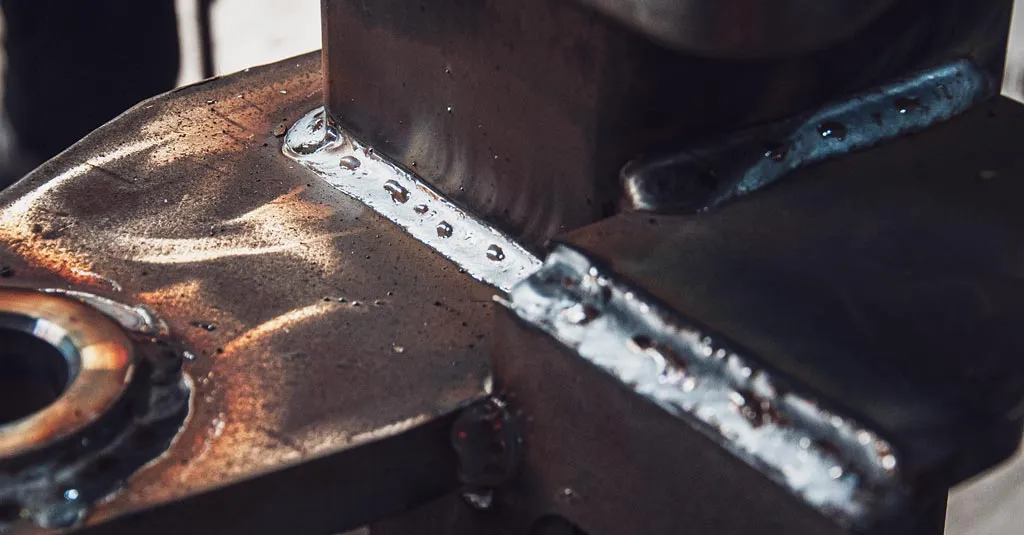
Shielded Metal Arc Welding (SMAW)
The most common manual arc welding method using a consumable, flux-coated electrode to generate heat and filler material.
Gas Metal Arc Welding (MIG/MAG)
A process where a continuous solid wire electrode is melted under shielding gas protection, widely used for structural and industrial applications.
Flux-Cored Arc Welding (FCAW)
Uses a consumable tubular wire filled with flux. The flux provides shielding, or external shielding gas may be added.
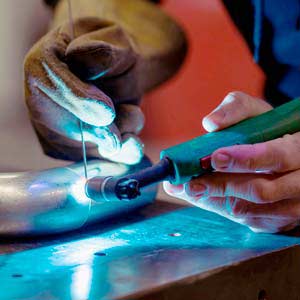
Tungsten Inert Gas Welding (TIG/GTAW)
Uses a non-consumable tungsten electrode and argon shielding gas. TIG is ideal for stainless steel, aluminum, and critical precision welding.
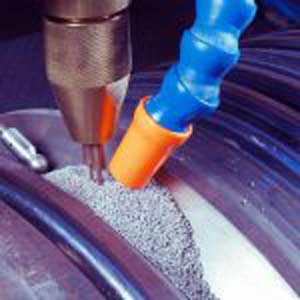
Submerged Arc Welding (SAW)
An automated process where an arc burns beneath a protective layer of flux. Known for high deposition rates and deep penetration.
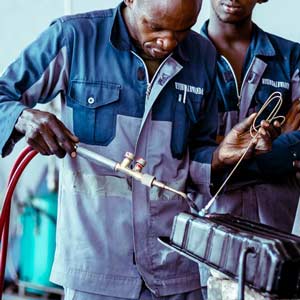
Oxy-Acetylene Welding
Reaches temperatures up to 3100°C by burning acetylene and oxygen. Still used for pipe welding, but less common in modern industry.
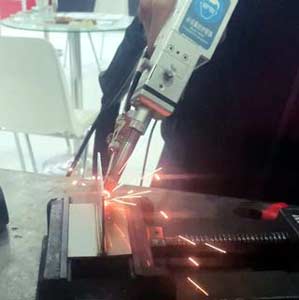
Laser Welding Applications
A high-precision process using a concentrated laser beam. Common in automotive, aerospace, medical, and electronics industries. Offers low heat input, minimal distortion, and superior weld seams.

Robotic Welding Applications
Automated welding with industrial robots, providing high speed, accuracy, and repeatability. Widely used in automotive, shipbuilding, and heavy machinery.
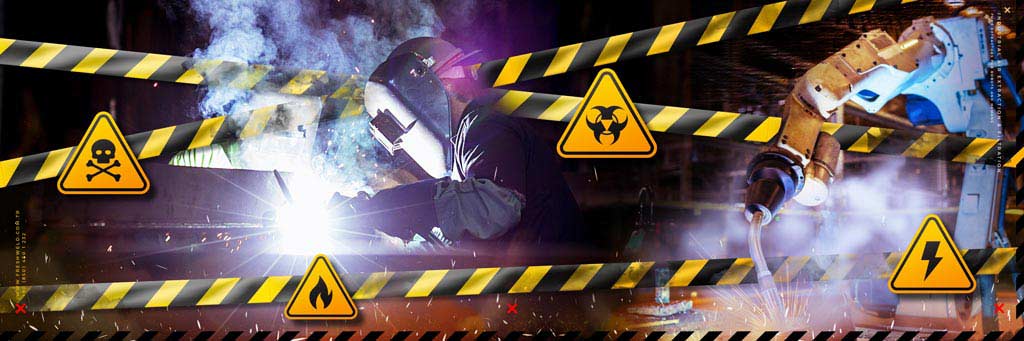
Although welding processes bring efficiency, they generate hazardous emissions that impact both human health and the environment. Filtration and proper extraction at the source are essential.
At FRESHWELD, we focus on sustainability, choosing filtration solutions with 99.95% efficiency to eliminate these risks.
HAZARDS OF WELDING FUMES
Welding produces invisible toxic gases such as carbon monoxide, carbon dioxide, nitrogen oxides, and ozone.
Fumes are formed when hot metal vapors condense into fine particles, often smaller than 1 micron.
Read more about particulate matter in our detailed article:
Health Risks of Particulate Matter
COMMON TOXIC SUBSTANCES IN WELDING FUMES
- Aluminum
- Beryllium
- Cadmium Oxides
- Molybdenum
- Nickel
- Vanadium
- Zinc Oxide
- Chromium
- Copper
- Fluorides
- Iron Oxide
- Lead
- Manganese
- Carbon Monoxide
- Hydrogen Fluoride
- Nitrogen Oxides
- Ozone
HEALTH EFFECTS OF WELDING FUMES
The health impact depends on the type of fume inhaled. While iron oxide may have limited long-term effects, fumes containing chromium or manganese are linked to respiratory illness, cancer, and neurological disorders.
Chromium fumes can cause lung cancer, while manganese exposure is associated with increased risk of Alzheimer’s disease and neurological damage.
PROTECTION AGAINST WELDING FUMES
To minimize risks, use FRESHWELD fume extraction and filtration systems.
These solutions protect welders, comply with occupational health regulations, and deliver up to 99.95% filtration efficiency.
Additionally, Welder Protection Curtains and Welder Protection Screens safeguard nearby workers from harmful UV and IR radiation.
For more information, visit: Contact FRESHWELD