
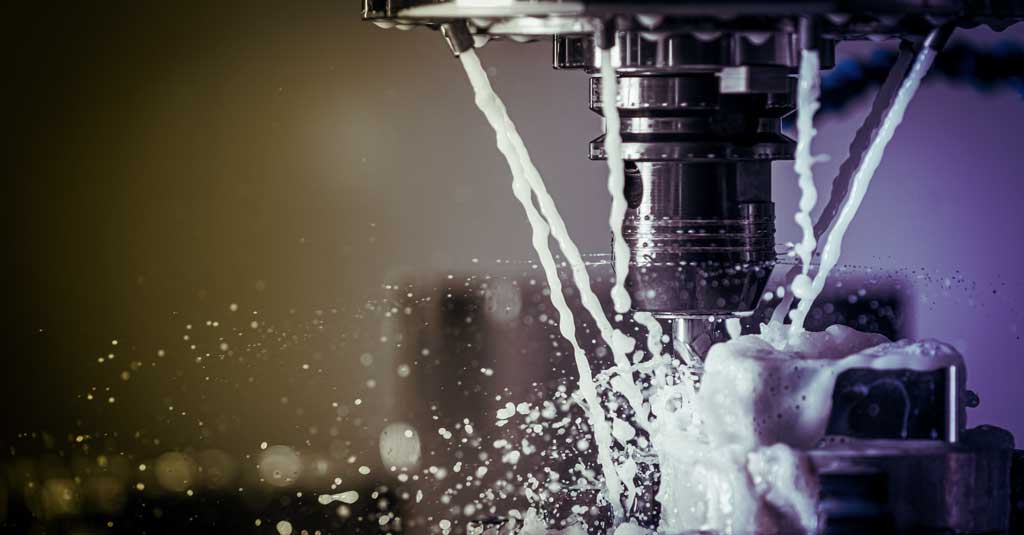
CNC Machining Centers; refers to lathes, milling machines, drilling machines, and other machinery where raw materials such as metal, plastic, and wood are processed according to computer-written programs via CNC (Computer Numerical Control) units. For more details about CNC Machining Centers, you can read our article.
To learn more about our CNC Plasma Cutting applications, please click the following link; https://www.freshweld.com.tr/en/hse-applications/plasma-cutting-filtration/
The abbreviation CNC stands for Computer Numerical Control. Today, CNC machining centers represent the foundation of modern industry, including:
- CNC Lathe Machine
- CNC Milling Machine
- CNC Drilling Machine
- CNC Boring Machine
- CNC Grinding Machine
Unlike conventional machine tools, which operate on two axes (X and Z), CNC machining centers typically operate on at least three axes (X, Y, and Z), enabling the processing of more complex workpieces. Thanks to technological advancements, today’s 5-axis CNC machining centers have largely replaced older 3-axis machines in many industries and workshops.
Another key advantage of CNC machining centers is that their control units are supported by uninterrupted power supply (UPS) systems. This ensures that in case of a power outage, the machining program continues without interruption, preventing scrap parts and production losses.
Additionally, CNC machining centers minimize operator intervention during part processing. As a result, human error is reduced, and serial production with consistent precision is achieved.
For more information about CNC Machining Centers, visit the Wikipedia page.
OIL MIST AND COOLANT FUME HAZARDS IN CNC MACHINING
How Does Oil Mist Form?
In modern and evolving manufacturing methods, CNC machining centers are undoubtedly the most widely used.
During CNC operations, significant amounts of industrial cutting fluids such as boron oil and machining coolants are used.
In some cases, these fluids are diluted with water to form emulsions, while in other cases they are used as 100% oil. When combined with machining heat and friction, these fluids can generate toxic vapors or contaminated oil mist and fumes.
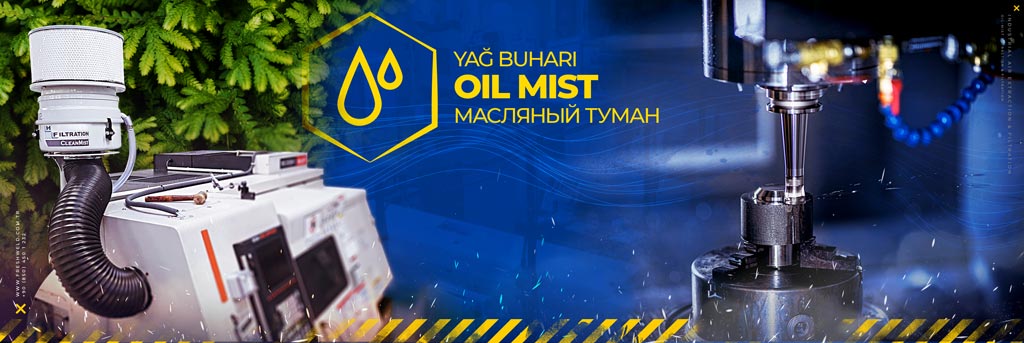
Why is Oil Mist Dangerous?
Do not assume that the vapors and fumes generated from machining coolant, boron oil, or pure cutting oil are harmless!
These aerosols can spread in three critical ways:
- Rise and accumulate near the ceiling
- Settle down on the floor
- Condense on machinery and equipment
Depending on concentration levels, all three scenarios may occur simultaneously:
- If accumulated near the ceiling, they form highly flammable layers that increase fire hazards.
- If condensed on the floor, the oily layer can cause slippery surfaces, creating workplace accident risks.
- If deposited on machinery, it can increase equipment failure rates, extend maintenance downtime, and reduce production quality.
Click here to read our article on Oil Mist Hazards in CNC Turning and Machining Centers
What is the Solution for Oil Mist Problems?
The solution is to integrate an appropriate oil mist filtration system into your CNC machining application.
The right filter must be selected based on the type of oil used (cutting oil, tapping oil, boron oil, or coolant) and whether it is diluted with water or used as pure oil.
Industrial Oil Mist Filters are available in three main types:
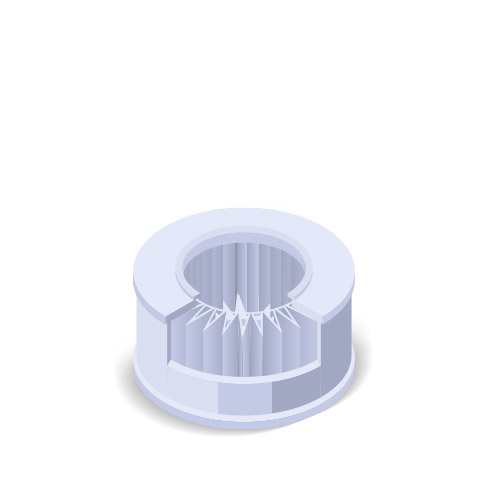
Centrifugal Filter
Used in our compact SKY Series products
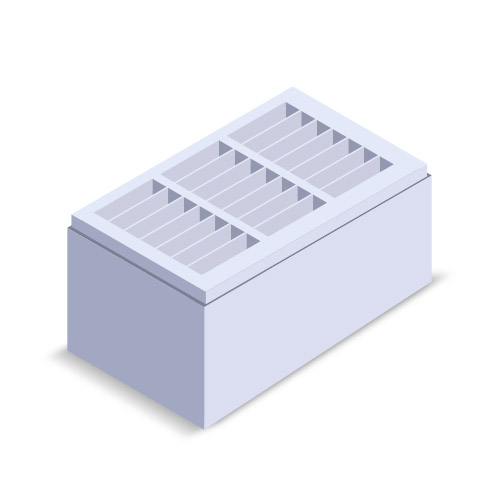
Cassette Filter
Used in our large-volume MCOS Series systems
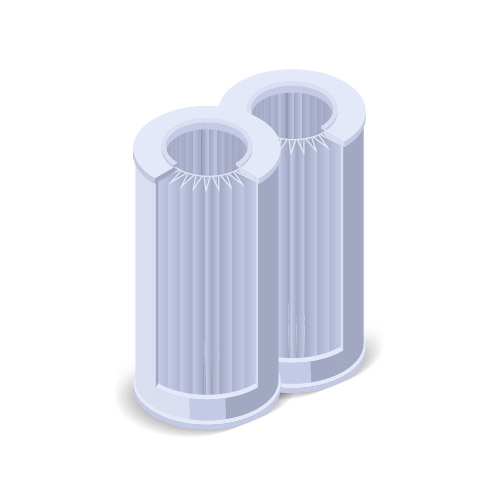
Cartridge Filter
Used in our high-capacity Mist Compact NOVUS Series systems