
Fume Extraction and Filtration in Robotic Welding Applications

Ensure workplace safety and compliance with occupational health standards using high-efficiency robotic welding fume extraction and filtration systems.
Fume Extraction and Filtration in Robotic Welding Applications
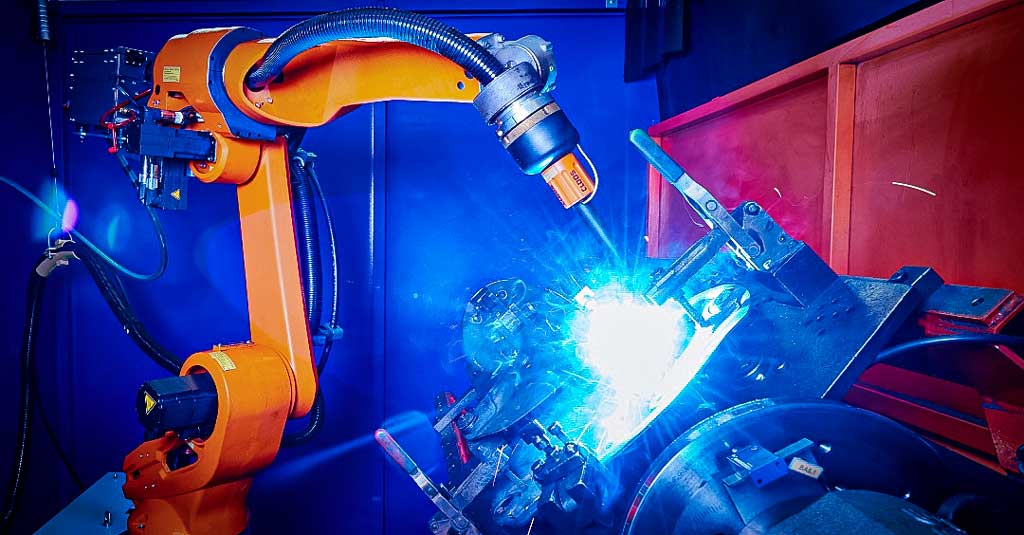
Robotic Welding has significantly transformed the industry. With continuous innovation in manufacturing technologies, welding methods have evolved, ensuring higher efficiency and productivity for manufacturers. Welding Robot technology has replaced manual and skill-based welding processes with robotic systems, delivering consistent weld quality and sustainable results.

WELDING METHODS USED IN ROBOTIC APPLICATIONS

The most common robotic welding methods include:

Robotic MIG/MAG Welding

Single / Tandem / Twin
Delivers excellent gap-bridging capacity, high welding speed, and spatter-free welds with precise process regulation.

Robotic TIG Welding

Wire-fed / Non-wire-fed
Ideal for stainless steel, aluminum, and alloyed sheets. TIG welding provides precision, high penetration, and clean seams—perfectly suited for robotic accuracy.

Robotic Laser / Hybrid Welding

Coldwire / Hot Wire / Standard
Laser welding is increasingly preferred due to its speed, accuracy, penetration, and strength.

Robotic Resistance / Laser Spot Welding

MFDC / Fiber Laser
Commonly used in the automotive industry and beyond. New technologies like Laser-Seam-Stepper (LSS) offer high efficiency without additional equipment costs.

Robotic CMT Welding

Single / Tandem / Twin
A patented MIG/MAG process with up to 90% lower heat input, enabling welding on thin sheets as small as 0.5 mm.

These robotic welding technologies are applied by leading brands such as ABB, CLOOS, FANUC, KUKA, Panasonic, Magmaweld, and YASKAWA, ensuring high productivity and cost-effective solutions.

Robotic Welding Hood Solutions

Regardless of the welding method, welding fumes and toxic gases are inevitable.
Robotik Kaynak Dumanı Emiş Davlumbazı

Robotic Welding
Hood Solutions

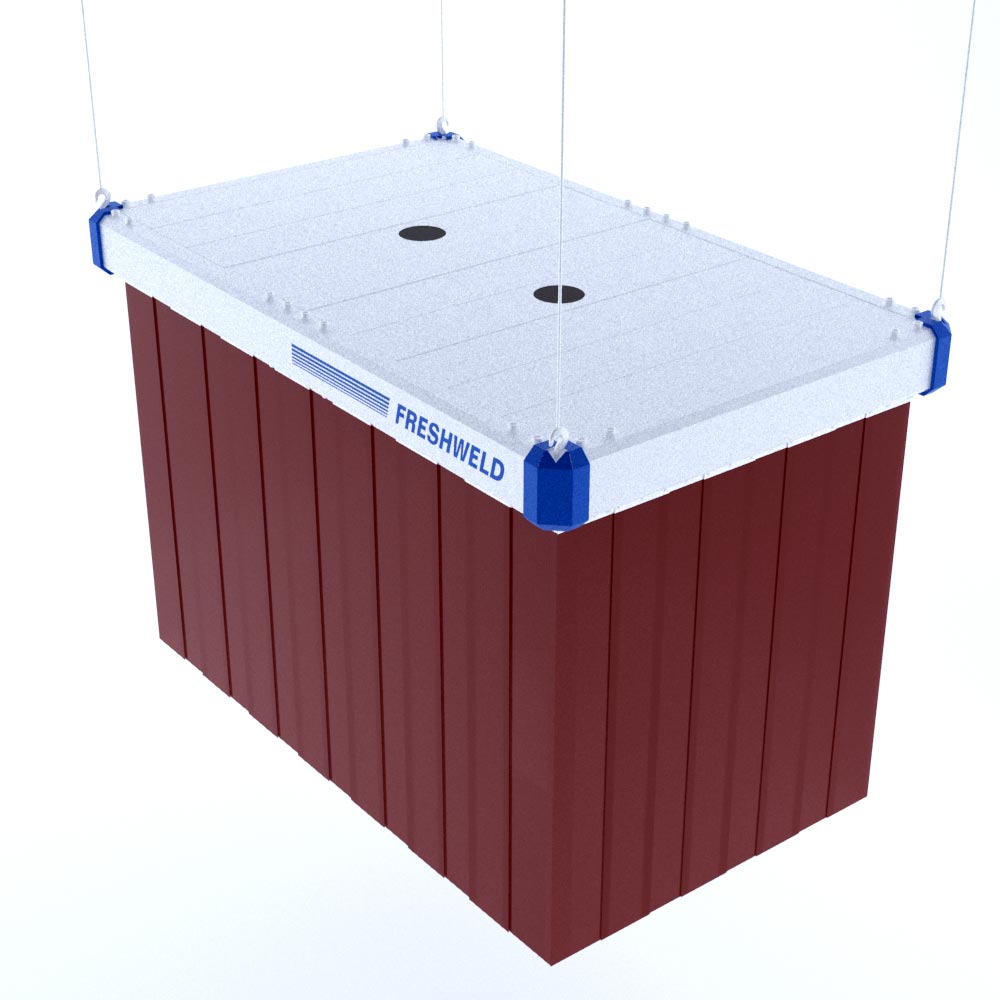
Prevents the spread of hazardous gases that can harm robotic welding equipment and human health. Instead of enclosing the entire robot cell, the system is positioned directly above the welding area, ensuring precise fume extraction. This approach provides cost-effective and environmentally responsible solutions that protect both equipment and workplace safety.
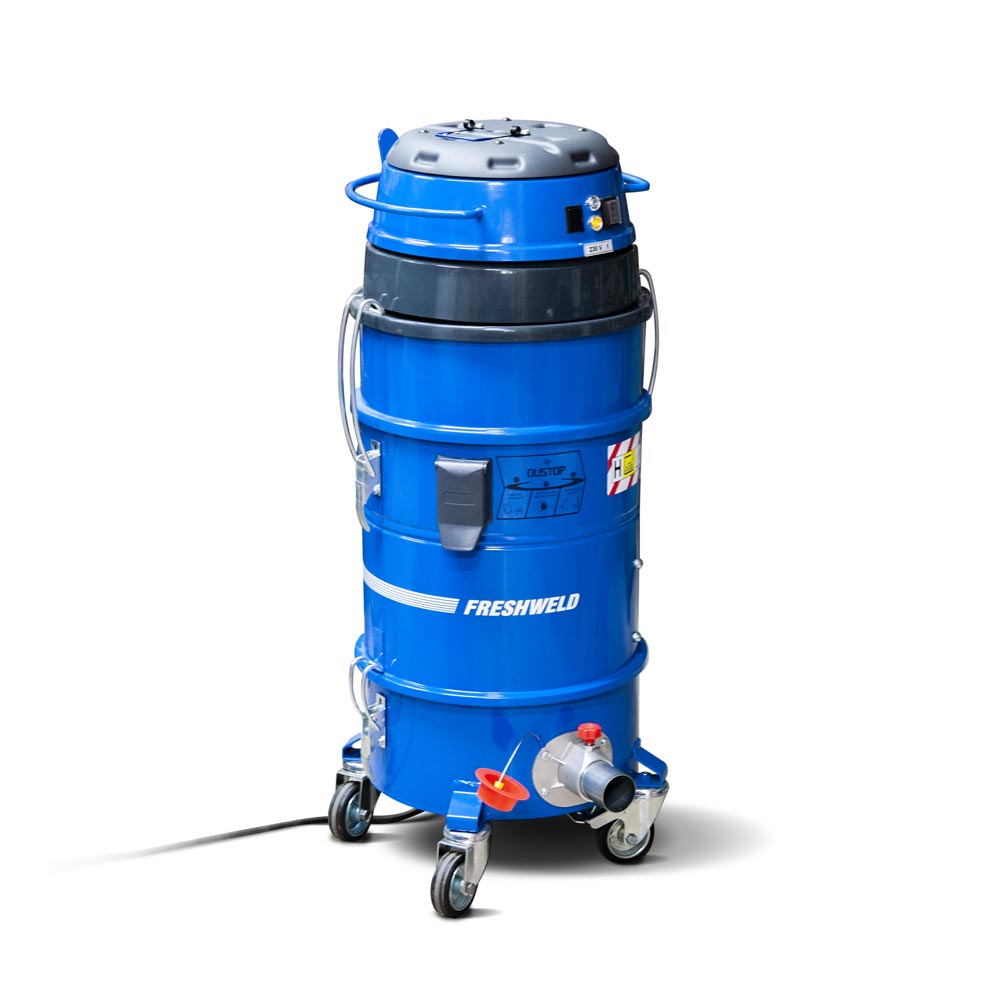
On-Torch Fume Extracting - FUMEVAC Torçtan Duman Emiş

High Vacuum
Torch Fume Extraction

Torch-integrated fume extraction systems are widely available, but added torch weight reduces usability. These systems require high-vacuum extraction due to their smaller diameter.

HEALTH RISKS OF WELDING FUMES IN ROBOTIC APPLICATIONS

robotic welding fume extraction solutions
Although robots are mechanical, welding fumes can cause serious problems.

What happens if fumes spread across the facility?

What if fine particles accumulate on the robot’s components?
If materials are oil-coated, consumables will require frequent replacement, and robot parts may suffer reduced lifespan.

Without a proper fume extraction system, hazardous gases endanger not only the robot but also your workforce.

Your million-dollar robotic investment could face increased maintenance costs due to uncontrolled welding fumes.

Read more about Welding Fume Damage in Robots

A common mistake is using inadequate fume extraction setups. For instance, some facilities attempt to solve the problem with kitchen-style exhaust hoods, ducts, and small fans—inefficient and aesthetically unappealing.

Another frequent mistake is fully enclosing the welding robot (except for integrated cabin systems). In reality, welding takes place on sliders, positioners, or specific workbenches, so only the welding zone should be covered.

Solutions like the FRESHWELD Curtain-Type Robotic Welding Hood ensure extraction only at the welding zone. Protective curtains also block sparks, improving safety and efficiency while reducing energy consumption.

For overhead crane operations where fixed hoods are impossible, FRESHWELD TORFIL Series high-vacuum torch fume extraction systems provide an ideal alternative.

Conclusion

Remember: simply extracting fumes without filtration and releasing them into the atmosphere is neither legally compliant nor ethically acceptable. Use proper filtration to protect both workers and the environment.