
Robotic Welding
Hood Solutions
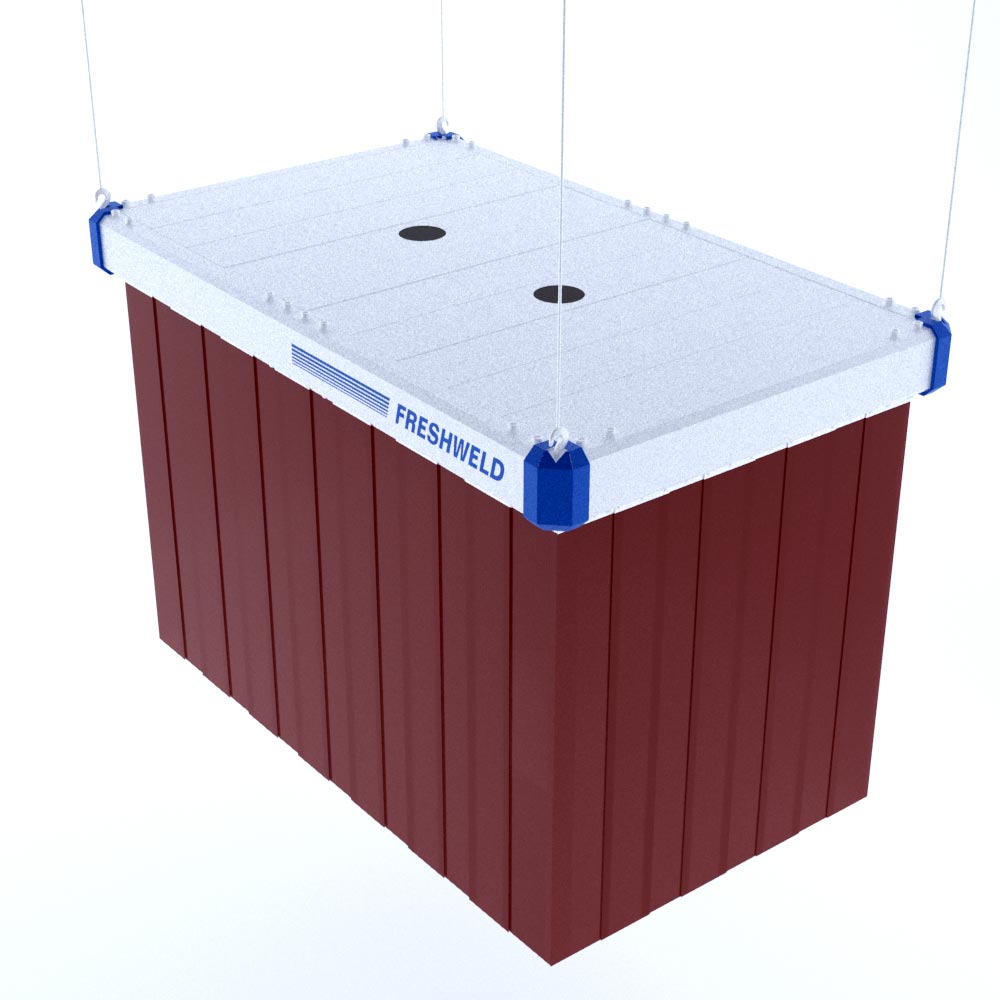
Prevents the spread of hazardous gases that can harm robotic welding equipment and human health. Instead of enclosing the entire robot cell, the system is positioned directly above the welding area, ensuring precise fume extraction. This approach provides cost-effective and environmentally responsible solutions that protect both equipment and workplace safety.
High Vacuum
Torch Fume Extraction
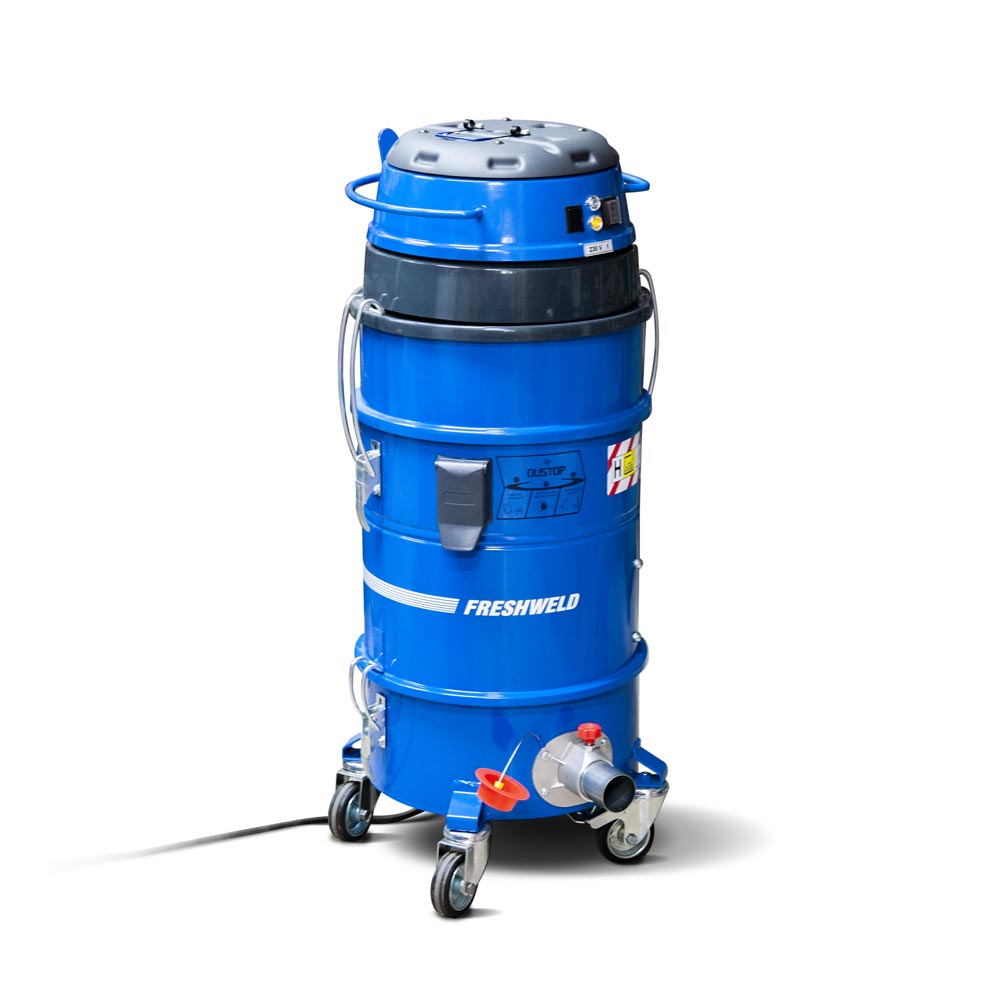
Torch-integrated fume extraction systems are widely available, but added torch weight reduces usability. These systems require high-vacuum extraction due to their smaller diameter.
HEALTH RISKS OF WELDING FUMES IN ROBOTIC APPLICATIONS

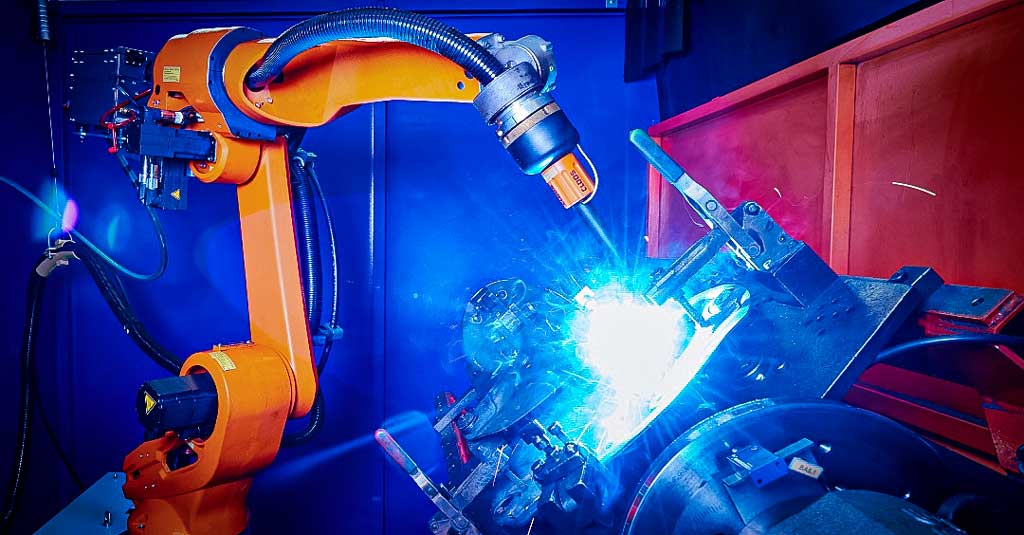
Although robots are mechanical, welding fumes can cause serious problems.
What happens if fumes spread across the facility?
What if fine particles accumulate on the robot’s components?
If materials are oil-coated, consumables will require frequent replacement, and robot parts may suffer reduced lifespan.
Without a proper fume extraction system, hazardous gases endanger not only the robot but also your workforce.
Your million-dollar robotic investment could face increased maintenance costs due to uncontrolled welding fumes.
Read more about Welding Fume Damage in Robots
A common mistake is using inadequate fume extraction setups. For instance, some facilities attempt to solve the problem with kitchen-style exhaust hoods, ducts, and small fans—inefficient and aesthetically unappealing.
Another frequent mistake is fully enclosing the welding robot (except for integrated cabin systems). In reality, welding takes place on sliders, positioners, or specific workbenches, so only the welding zone should be covered.
Solutions like the FRESHWELD Curtain-Type Robotic Welding Hood ensure extraction only at the welding zone. Protective curtains also block sparks, improving safety and efficiency while reducing energy consumption.
For overhead crane operations where fixed hoods are impossible, FRESHWELD TORFIL Series high-vacuum torch fume extraction systems provide an ideal alternative.