The Importance of HSE in Industrial Ventilation Systems
Health, Safety and Environment (HSE) regulations require mechanical ventilation systems in industrial workplaces to remove toxic gases, fumes, and dust effectively.


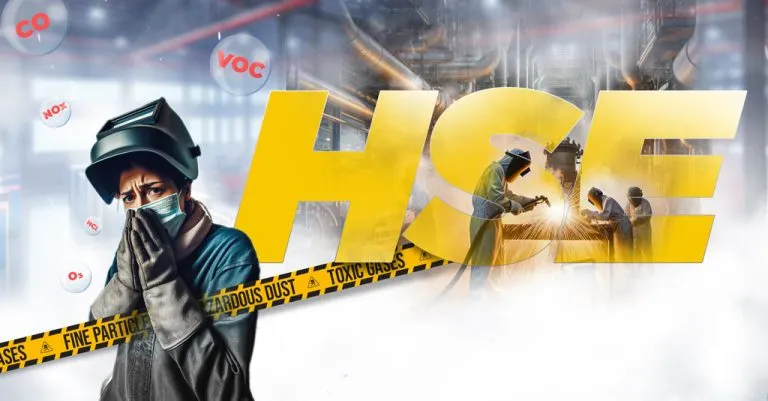
Health, Safety and Environment (HSE) regulations require mechanical ventilation systems in industrial workplaces to remove toxic gases, fumes, and dust effectively.
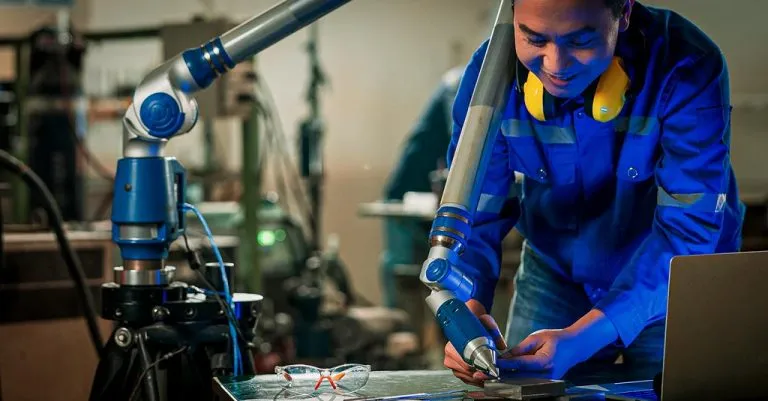
Choosing between cobots and robots in welding applications is a critical decision for HSE experts, plant managers, and production leaders to ensure efficiency and safety.
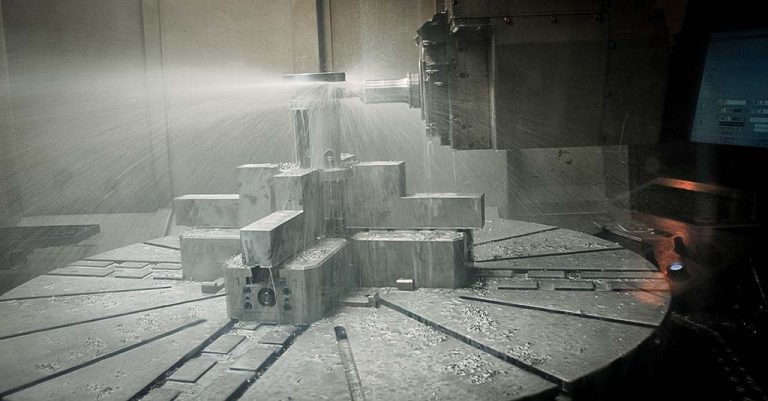
CNC machining and turning centers use coolant and cutting oils that generate harmful oil mist during operation, posing serious health and safety risks in workplaces.
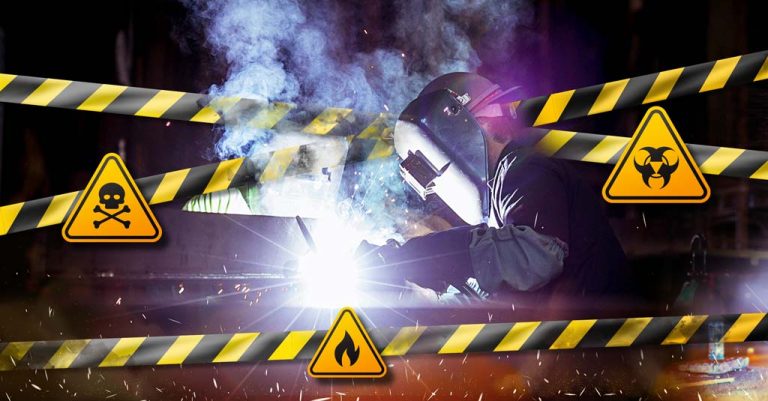
Welding fumes can trigger costly fines if OHS standards are ignored. Stay compliant with proper fume extraction and safety systems.
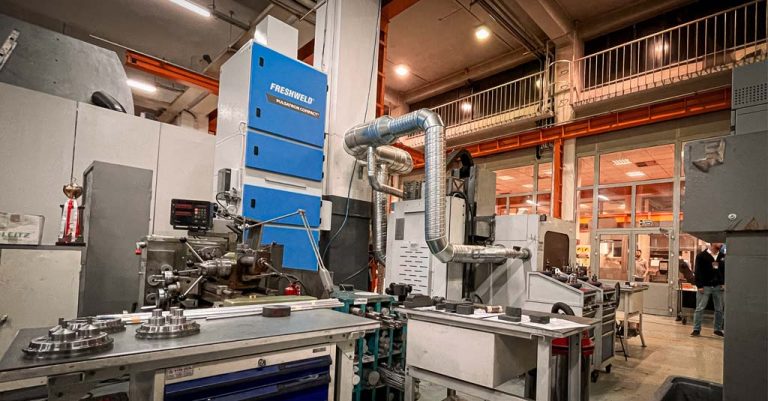
Proper ventilation is essential in industrial environments to ensure clean air and healthy working conditions.
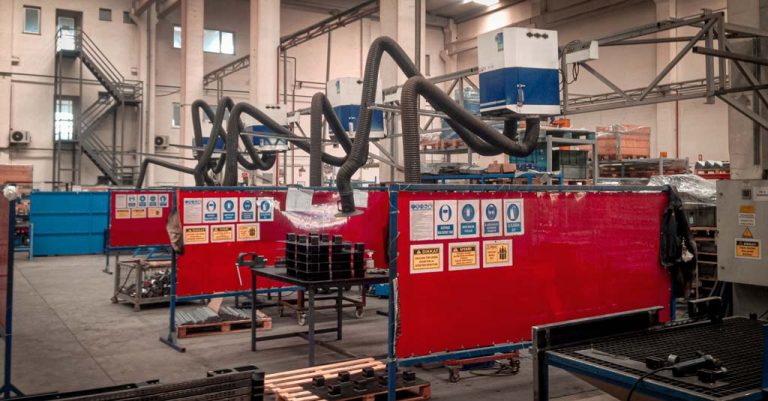
During cutting and welding processes, workers must protect their eyes, face, and exposed skin areas from the hazardous radiation emitted by the welding arc.
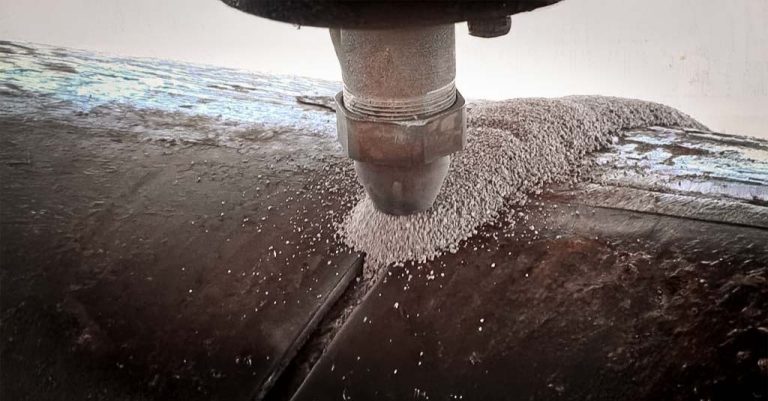
In Submerged Arc Welding (SAW), ensuring weld quality and maintaining clean air standards are critical for sustainable production environments.

An adult requires approximately 30 cubic meters of clean air per hour. By improving indoor air quality, the demand for clean air in living and working environments such as offices and homes can be effectively met.
 Optimized by Seraphinite Accelerator